Inside the Making of Netflix’s Dept Q Season 2: Cast and Creators Drop Major Spoilers at Bloody Scotland

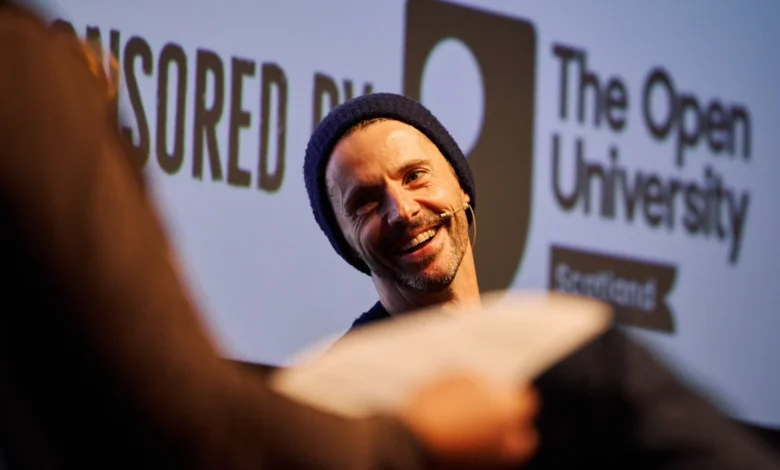
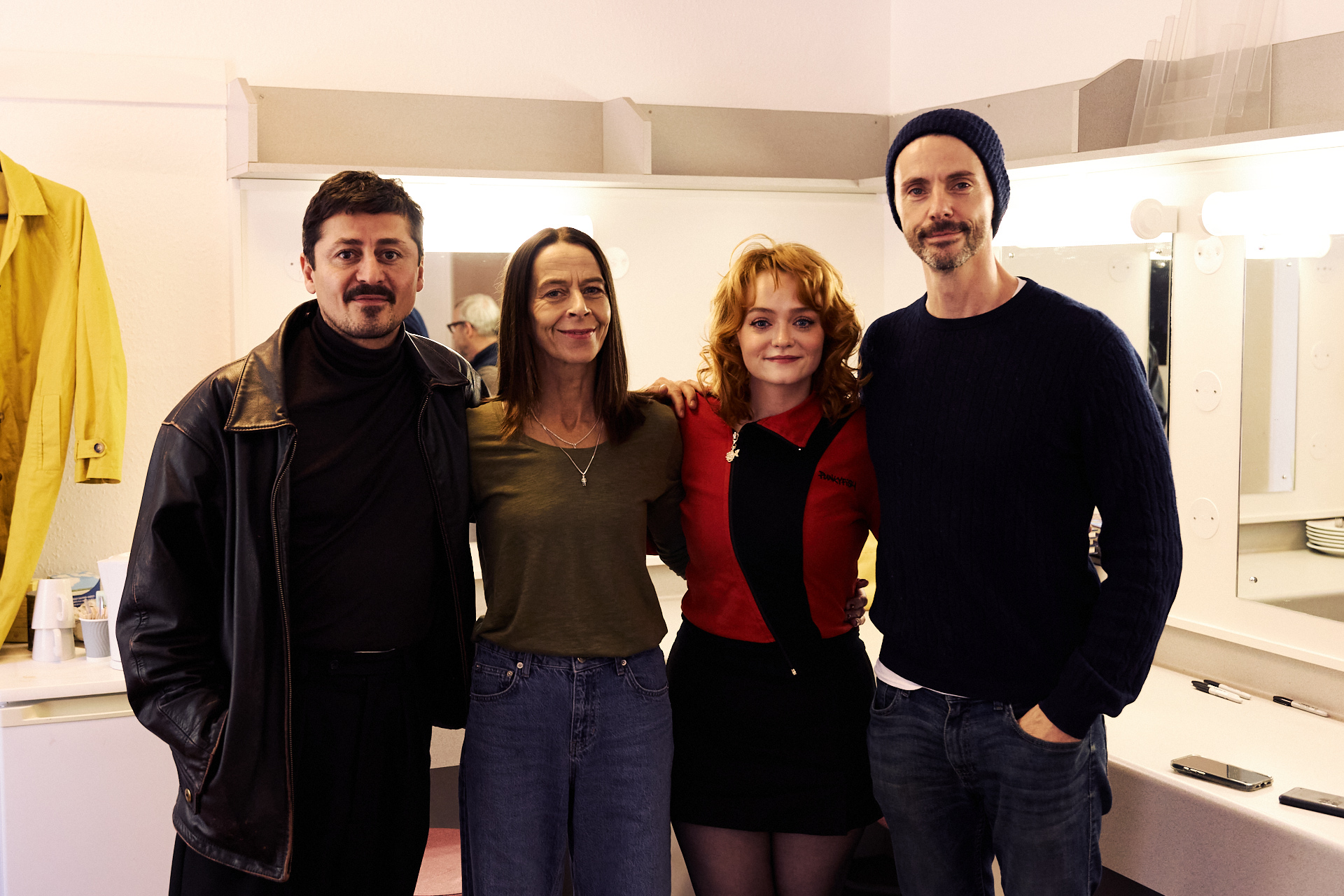
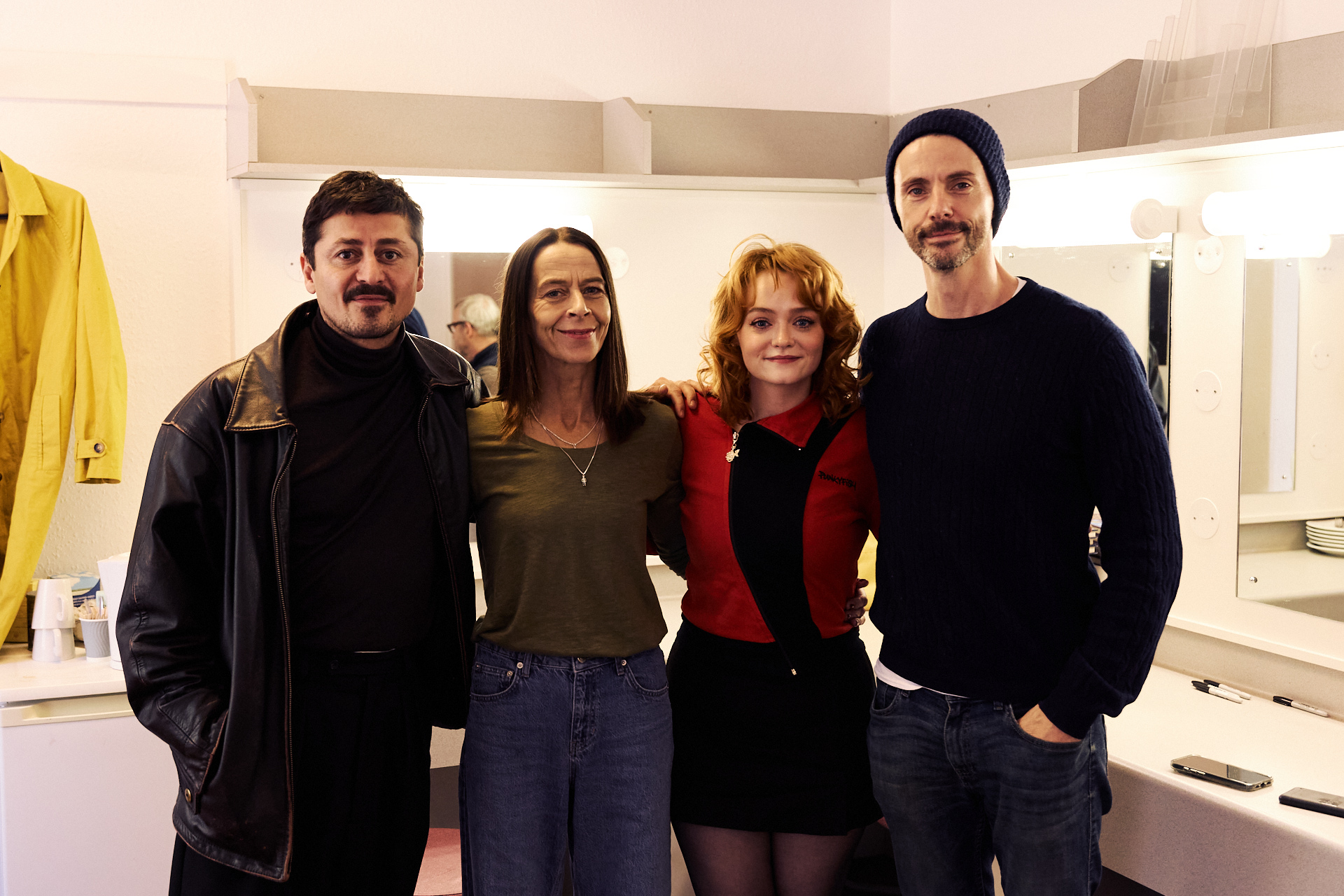
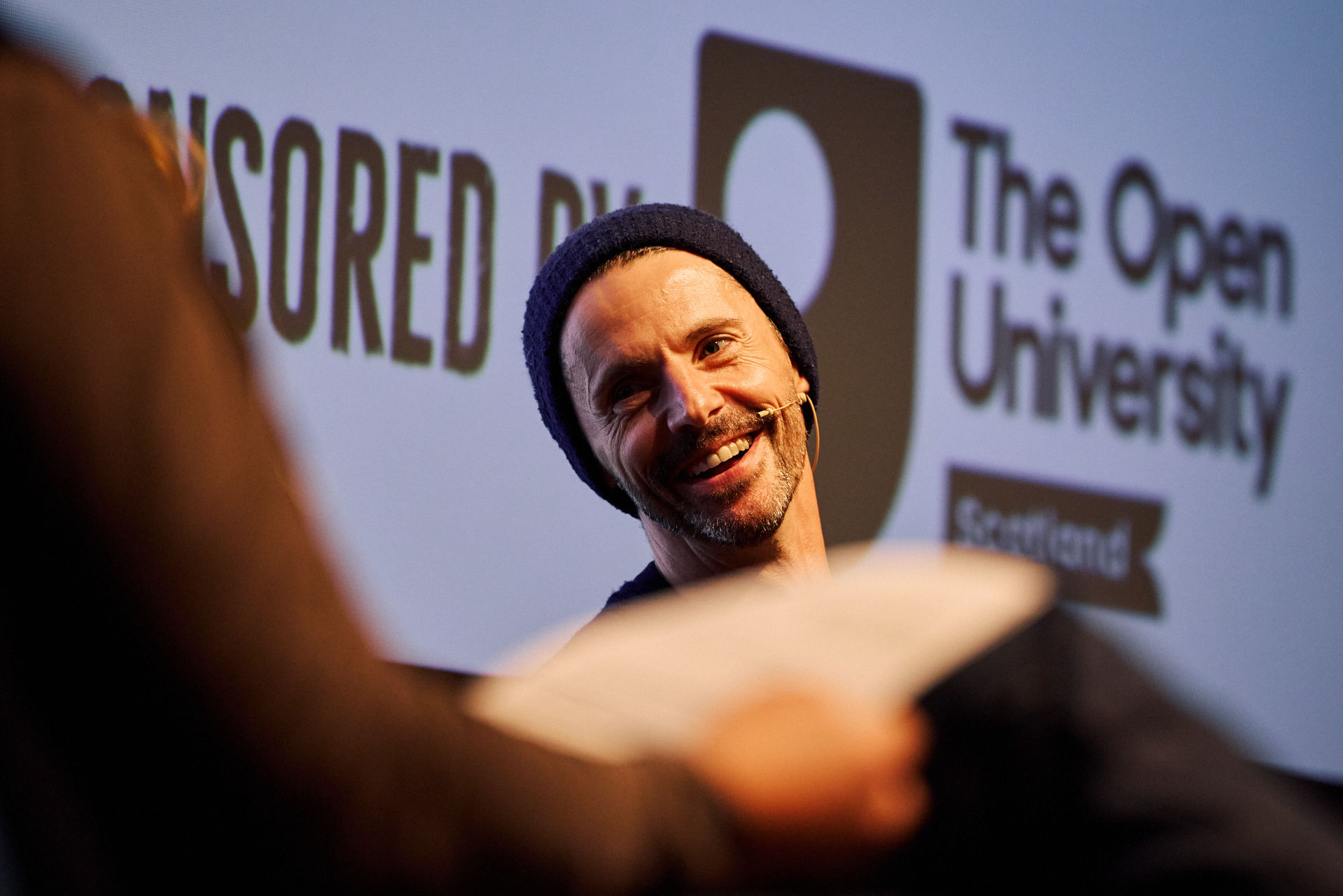
The cast and crew of Netflix’s critically acclaimed, Edinburgh-set crime drama Dept Q recently took a brief respite from a grueling production schedule to headline the closing panel at the prestigious Bloody Scotland festival, held at the historic Albert Halls in Stirling. Chaired by executive producer Rob Bullock, the panel featured writer-director Scott Frank alongside leading cast members Matthew Goode, who portrays Detective Chief Inspector Carl Morck; Kate Dickie, playing Chief Superintendent Moira Jacobson; Alexej Manvelov, who takes on the role of Akram Salim; and Leah Byrne, who plays Detective Constable Rose Dickson.
Though nominally gathered to discuss the unprecedented global response to the show’s inaugural season, the creative team offered attendees a treasure trove of unexpected details regarding the ongoing production of Season 2. Amidst humorous banter and candid behind-the-scenes anecdotes, the panel provided meticulous insights into narrative arcs, shooting locations, schedule logistics, and the collaborative dynamic between high-end creators and streaming platforms.
Production Chronology and Rigorous Scheduling
The logistical reality of bringing a prestige television series to life was front and center as executive producer Rob Bullock opened the panel by thanking the actors for making the journey to Stirling. Bullock contextualized their appearance by noting that the team was knee-deep in a grueling production block, specifically stating that they were fifteen weeks into a twenty-week principal photography schedule that heavily relied on punishing night shoots.
This timeline offers a valuable data point regarding the broader production lifecycle of Dept Q Season 2. Initial industry listings projected principal photography to run from July 13 through December 11. However, earlier reporting confirmed that cameras actually began rolling significantly earlier, around June 1, with casting notices and crew allocations pointing toward an anticipated wrap date in mid-October. Factoring in a June 1 commencement, the panel date coincided precisely with day 111 of the shoot—marking nearly sixteen weeks of continuous production. This accelerated yet rigorous timeline strongly reinforces expectations for a second-half-of-2025 premiere on Netflix, keeping the platform on track to satisfy a hungry global fanbase without sacrificing cinematic quality.
Expanding on the physical footprint of the production, Scott Frank revealed that the creative team has deliberately expanded its geographical canvas for the sophomore outing. While Season 1 firmly anchored its gritty aesthetic in the atmospheric stone and shadow of Edinburgh, the upcoming episodes venture further afield. Production units have captured footage in Aberdeen and utilized regional Scottish landscapes, though a significant portion of the intricate police procedural continues to be housed on meticulously constructed soundstages designed to mirror the claustrophobic and high-stakes environment of the department.
Narrative Teases and Character Evolutions for Season 2
When pressed by moderators and fans for explicit plot details concerning the second season, writer-director Scott Frank initially deployed his trademark dry humor, deadpanning, "Nothing. It’s shit." He quickly walked back the quip with a characteristically cheeky assessment: "Season two is going to be okay, fine. You’ll enjoy it, you can fold your laundry while you’re watching it."
Despite Frank’s playful evasiveness, the rest of the panel proved far more generous with substantive teases, particularly regarding the inner lives of the ensemble. Matthew Goode delivered the most palpable excitement from the audience when discussing the scripts for Season 2, specifically highlighting the deeper exploration of his on-screen partner, Akram Salim. "This is what’s so interesting about season two—you suddenly start getting the scripts and you’re like, oh my God. You start finding out about Akram and you’re just like, awesome… those of you who like the show, you’re going to [be in] for an absolute treat," Goode shared.
Alexej Manvelov elaborated on this character trajectory, describing Akram as a man operating as a masterclass in psychological compartmentalization. Manvelov noted that Akram serves as a deliberate behavioral contrast to the volatile, turbulent DCI Carl Morck. "It has to be a contrast to Carl, who’s insane. So Akram has to be secretly insane. But on the surface, he looks calm," Manvelov explained. He further observed that while every member of the department grapples with profound personal trauma, Akram represents a fascinating psychological archetype: an individual who falsely believes he has fully processed and buried his past. Operating under the illusion that he is "all cried out," Akram functions as an emotional anchor and stable point of gravity for the erratic team, even as internal tempests rage beneath his placid exterior.
Meanwhile, Chief Superintendent Moira Jacobson is poised to break out of her administrative constraints. Kate Dickie acknowledged that her character was largely confined to the precinct desk during the inaugural run, but enthusiastically confirmed that Season 2 will bring Moira out into the active field. Among the highlights mentioned was a sequence involving a helicopter ride, as well as an intimate narrative excursion into Moira’s private domicile. "Moira didn’t really leave the office much in season one," Dickie noted. "You do go to her flat this season. Yes, you may see a little of my whole life." This physical dislocation from her natural office habitat promises to humanize the commanding officer and expose the vulnerabilities hidden behind her formidable bureaucratic facade.
Casting adjustments were also addressed directly, particularly regarding Kelly Macdonald, who delivered a mesmerizing performance as Carl’s therapist, Dr. Rachel Irving, in Season 1. Addressing her absence from the immediate production slate, Frank was characteristically blunt: "She’s making another show. She’s doing Lanterns, so our show and their show couldn’t make it work. But she may come back. We never know. Depends on how her career is going on the other show."
Scott Frank’s Creative Philosophy and the Art of the "Pantser"
A recurring theme throughout the panel was Scott Frank’s idiosyncratic approach to writing and showrunning. When asked whether he adheres strictly to a rigid outline as a "plotter" or writes organically as a "pantser," Frank offered an illuminating confession about the chaotic reality of high-end television production.
Pointing to the compressed timeline of the first season, where production commenced with only two completed scripts, Frank admitted, "Seeing as you’ve been waiting for the last episode for six months for me to finish writing it, and seeing as we started shooting last season with two episodes written and we were basically building the airplane while we were flying it, I definitely am a pantser."
This organic, character-driven methodology directly informs the pacing and structural DNA of Dept Q. Rejecting modern pressures for rapid-fire, exposition-heavy plotting, Frank articulated his core creative philosophy for the crime genre: "The whodunnit is not as important as the whydunnit." Acknowledging historical critiques regarding his deliberate, unhurried pacing—particularly in pilot episodes—Frank doubled down on the necessity of emotional investment. "I get accused of taking too much time in pilots or first episodes. But I want you to know the characters, because if you know them, then you’ll actually feel something at the end of the show."
Matthew Goode echoed this sentiment, recounting the immediate, visceral reaction he had upon receiving the initial scripts from his long-time agent. Drawn to the sharp, idiosyncratic dialogue and the complex, deeply flawed nature of Carl Morck, Goode admitted to bypassing his usual professional restraint. "I read it and I was like, the dialogue is so good. And this Carl character is… it’s outrageous. And like looking in the mirror," Goode said. Recognizing the rare caliber of the source material—adapted from Jussi Adler-Olsen’s internationally celebrated ten-book series—Goode immediately began inhabiting the character, later hinting at his eager willingness to extend his commitment to a potential third season.
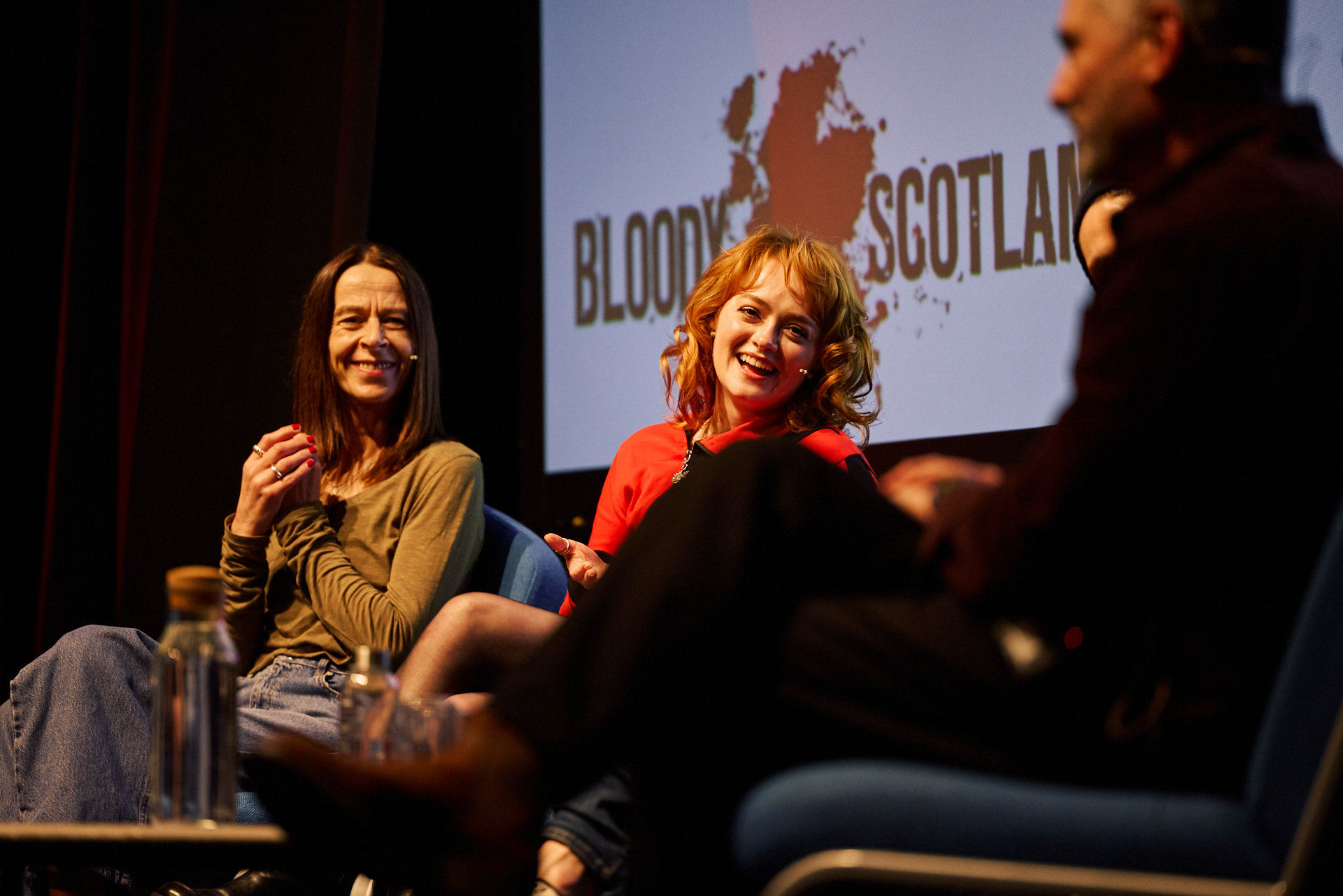
Kate Dickie attributed the series’ breakout success to this microscopic attention to character depth across the entire ensemble. "When you’ve got really great characters written as a main, but then you’ve got the kind of surrounding stuff not as well written, it’s really hard to get immersed… you’re not just flat on a page. You get involved, you get immersed, you start to care," she stated.
Rob Bullock reinforced these observations by sharing insights gleaned from proprietary audience research conducted by Netflix. According to Bullock, viewer engagement transcended the baseline mechanical desire to solve the central mystery of Merritt Lingard’s captivity. Instead, audience members expressed a profound emotional investment in interpersonal dynamics: whether Carl would soften his abrasive treatment of Akram, if their professional partnership would genuinely blossom, whether Rose would summon the inner fortitude to overcome her demons, and how Moira would successfully manage her volatile squad of investigators.
Debunking Streaming Myths: Creative Freedom at Netflix
A significant portion of the panel focused on the operational realities of working with a major streaming platform known for high-volume content production. Frank used the platform to dismantle persistent industry myths regarding corporate interference and aesthetic micro-management, specifically targeting internet rumors surrounding mandatory visual styles.
"There’s a lot written about Netflix, you know, they change the lighting, there’s Netflix lighting, there’s this—none of that’s true," Frank stated unequivocally. "If a show’s lit like crap, it’s because the director and the cinematographer lit it like crap. No one upstairs is saying, you know, light it like crap."
Drawing on his extensive history with the platform—dating back to his work on the western miniseries Godless and the global cultural phenomenon The Queen’s Gambit—Frank credited Netflix executives, including Cindy Holland in earlier years and Anne Mensah with Netflix UK, for fostering an environment built on pre-established trust and shared artistic intent. He explained that the secret to successfully navigating a corporate streaming ecosystem lies in front-end alignment. "Everybody agrees on the intention, and if everybody agrees on the intention, it’s a much easier process. Then you’re just fighting about budget and time and how long it takes to achieve that intention," Frank noted, describing his current collaboration with Netflix UK on Dept Q as one of the most rewarding experiences of his illustrious career.
Bullock illuminated this collaborative synergy by sharing an anecdote from the green-light pitch meeting for Season 2. Before any logistical or narrative parameters for the new season could be tabled, Frank seized control of the agenda to demand a retrospective assessment of the first season from the corporate executives. "I would love to hear from you what it was that you thought was really successful and what you really loved about season one," Frank reportedly told the room. After twenty minutes of unmitigated praise from the platform’s leadership, Frank effectively sealed the room’s consensus by assuring them that the creative team intended to replicate and elevate those exact qualitative pillars for the sophomore run.
Broader Industry Implications and Outlook
The revelations emerging from the Bloody Scotland panel underscore the unique positioning of Dept Q within the contemporary television landscape. By successfully merging Scandinavian noir sensibilities with Scottish topography and American showrunning pedigree, Netflix has carved out a distinct prestige crime franchise.
The transparency exhibited by Frank, Bullock, and the cast highlights a broader shift in how streaming platforms manage high-profile intellectual property. Rather than maintaining an opaque corporate distance, involving key creatives in direct fan-facing events helps build sustained cultural momentum between seasonal drops. Furthermore, Frank’s robust defense of streaming-era creative autonomy challenges prevailing cynicism regarding algorithmic interference, proving that auteur-driven, nuanced storytelling can successfully thrive within commercial parameters when grounded in mutual trust between creators and commissioners.
As principal photography nears its final stretch in October, anticipation among crime fiction enthusiasts and television critics alike continues to mount. With deeper character explorations promised for Akram and Moira, expanding narrative locations across Scotland, and Scott Frank continuing to shape the psychological depths of Edinburgh’s most troubled detectives, Dept Q Season 2 is well-positioned to cement its status as a definitive anchor in Netflix’s international drama portfolio upon its expected release in late 2025.